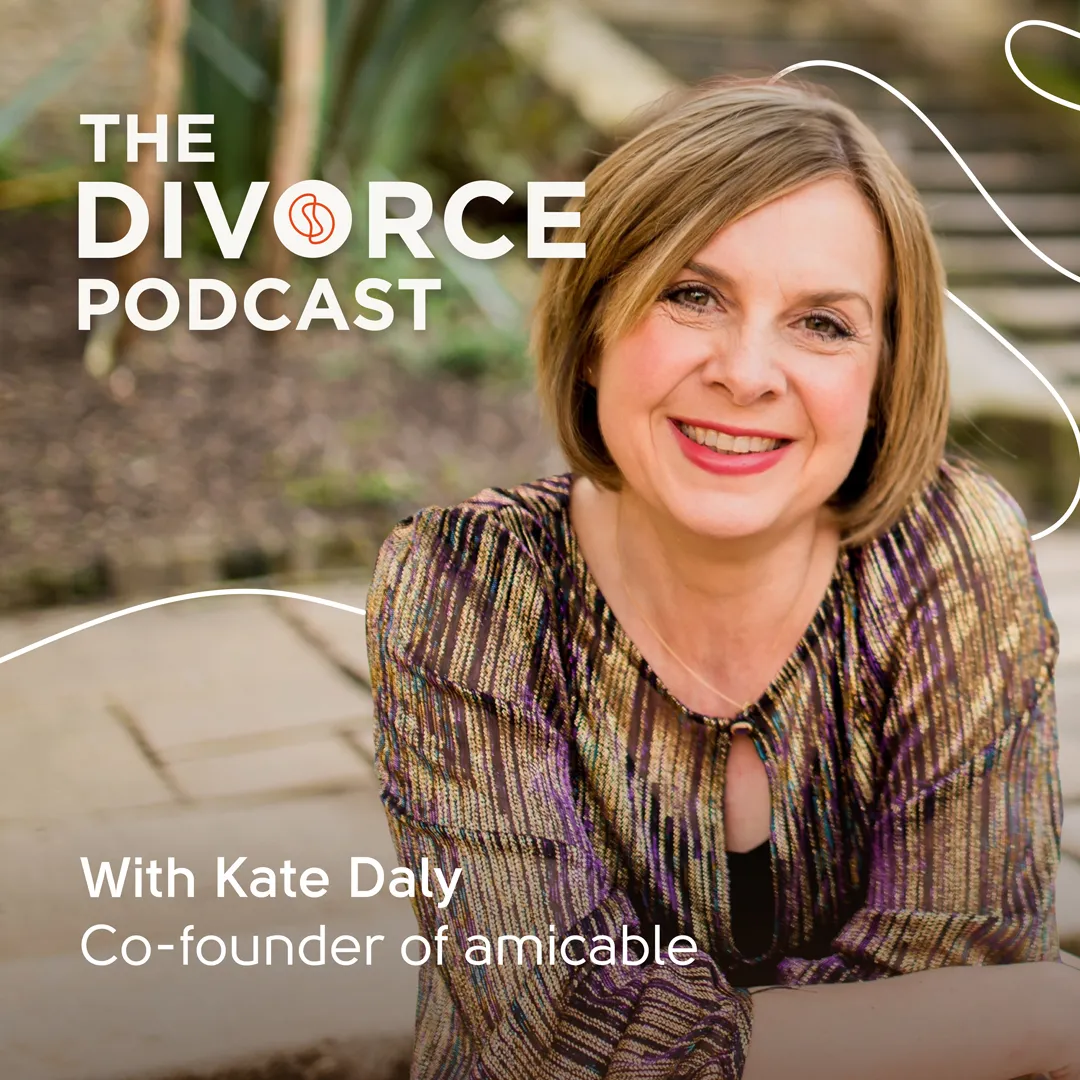
In this episode, Kate is joined by former family barrister turned therapist and author, Charlotte Friedman.
About the episode:
The focus of this episode is loneliness. Kate and Charlotte begin by exploring what loneliness is, whether it’s a physical or mental feeling or both, and how loneliness links to grief, as well as the emotional journey of divorce and separation.
They discuss seeking professional help and how children and other family members can sense and react to loneliness. Finally, Charlotte and Kate discuss coping mechanisms for loneliness, especially post-separation.
About our guest:
Charlotte decided to move from the courtroom to the therapist’s chair to help people manage the emotional journey of divorce.
In her book, Breaking Upwards, Charlotte offers calm, therapeutic advice on everything from managing loneliness to letting go of grievance.
Charlotte is a trained Psychodynamic Psychotherapist registered with the British Psychoanalytic Council and the Tavistock Society. She is also the founder of the Divorce Support Group which has provided a community for people trying to manage the emotional impact of divorce and separation.
More resources:
Get in touch with amicable for information on the legal, financial and children aspects of separation. Book a free 15-minute consultation with an amicable expert through the amicable website.